
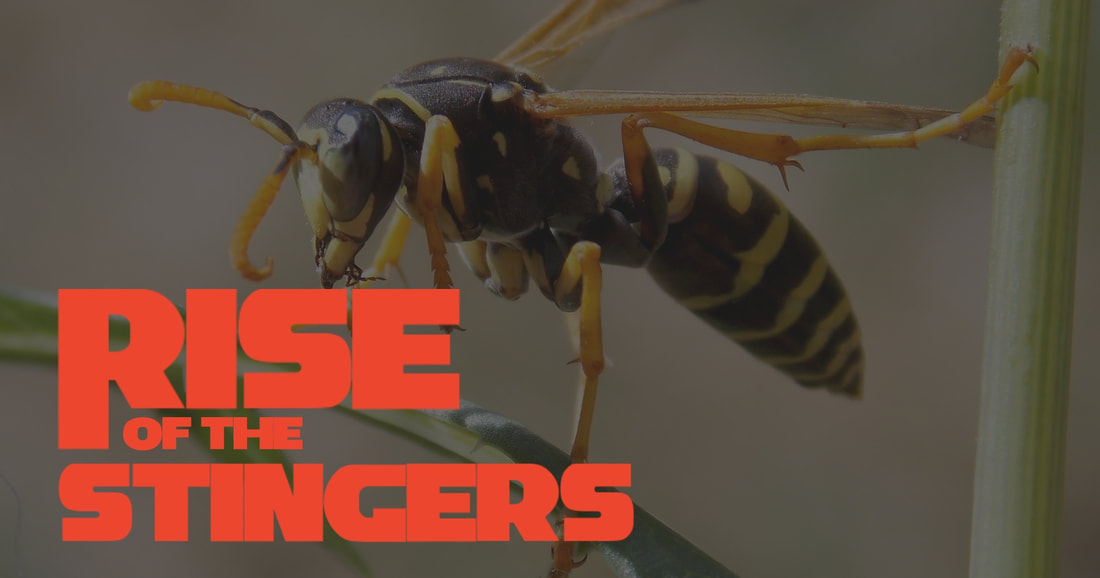
 Sydney has seen sweltering temperatures, with the city nearly breaking a 165-year old Autumn heatwave record in the past few weeks. Since summer’s conclusion, we are witnessing anecdotal evidence of a higher prevalence of bees and wasps among some areas on the Northern Beaches. This during a time we’d normally expect numbers to be decreasing. Sustained warmer and muggier weather creating Spring-like conditions, and hence prolonged flora blooming, a likely main contributor.
Bees form part of an essential function within the ecosystem. As honey producers and plant and agricultural pollinators, bees are responsible for the continuation of some of your favourite foods. Almond, apple, avocado, blueberries, some pear varietals, cucumber, pumpkin, rockmelon, broccoli, brussel sprout, cabbage, carrot, cauliflower and celery – all of these crops are 100% reliant on bees for their yield. Meaning that without bees, they don’t exist. Plus, they play a major role in the production of cherries, kiwi, mango, macadamias, peaches, nectarines, plums, apricots and watermelon. So next time you go to squish that bee, maybe don’t. Most people are familiar with honeybees, which are known for their delicious golden nectar and the role they play in pollination. However, not all bees are created equal. In fact, there are over 1,500 species of native bees in Australia, including solitary bees and stingless bees. On the Northern Beaches, we are lucky enough to have many different species of bees contributing to the beautiful environment we live in. Some of the more prevalent ones include:Blue-banded bees (Amegilla cingulate): These small, metallic blue bees are native to Australia and are often seen hovering near flowers. They are important pollinators for crops and native plants and are typically active during the warmer months of the year.
While many bees generally won't sting unless provoked, they can still become a nuisance if they decide to build their nests in your garden or around your home. If you happen to discover a bees’ nest or hive on your property, it's important to call in a professional bee expert to remove it safely. Attempting to handle bees yourself is fraught with danger, as bees tend to become aggressive when they feel threatened. Appreciating the effort and contribution that bees make to our environment, and food and agricultural system, we tend to avoid exterminating them. Rather, opting to relocate them to a more appropriate location to continue their marvellous work pollenating and producing honey. So, your first point of call should be a bee expert and then pest control if required. Unlike bees, wasps tend to generally be more aggressive and deliver a more painful sting. There are several species of wasps that you may encounter on the Northern Beaches, here’s a bit of an insight into some of the most common:
Wasps, like bees, play an important role in the environment as pollinators and as natural pest control agents. While they are often thought of as just the ‘nasty stingier cousin’ of bees, they actually have some distinct advantages over bees when it comes to certain tasks. A key function of wasps in the environment is as natural pest control agents. Many species of wasps are predators, feeding on other insects such as caterpillars, aphids, and flies. In fact, some species of wasps are even used as biological control agents in agriculture to help control pest populations. So, another reason to keep on top of the overall pest situation wherever you live – more bugs mean more food for wasps, and a greater likelihood of them hanging around. In addition to their role as predators, some species of wasps are also important pollinators. While they may not be as efficient as bees at collecting and transferring pollen, they can still play a role in pollinating certain plants. It's also worth noting that not all species of wasps are aggressive or likely to sting humans. While paper wasps, European wasps and yellow jackets can be aggressive when their nests are disturbed, many other species of wasps are relatively docile and pose little threat to humans. We still don’t recommend that you attempt to remove or treat any wasps you find on your property. Most over-the-counter products for killing wasps have somewhat of a time delay – just enough for the nasty little buggers to buzz out and sting you. Instead, enlist a professional pest control expert to come and take care of your wasp situation for you. As with bees, a qualified professional will have the appropriate tools and tricks to deal with your wasps. The nest will need to be removed and the wasps killed to prevent them from rebuilding elsewhere. And this can be a dangerous process, disturbing and threatening potentially dozens of wasps. While most people will only experience a mild reaction to a bee or wasp sting, some people can have a severe allergic reaction that can be life-threatening. Children and pets are also at increased risk, as they may be more likely to provoke a swarm of bees or disturb a wasp's nest. By understanding the different types of bees and wasps that you may encounter on the Northern Beaches. Plus the dangers they present, and how to minimise the risk of infestations, you can help keep your home or business safe from these stinging pests. At the end of the day, a little bit of knowledge and prevention can go a long way. So, enjoy the outdoors and the buzzing creatures that call it home, but be sure to keep a safe distance and call in the professionals if you spot a nest. If you need advice on bees and wasps or would like to book in a pest treatment, contact Eradicator Pest Service on 0414 808 997
0 Comments
|
 RSS Feed

Eradicator Pest Services assure 30 years of local area knowledge & expertise, personal & prompt service with a smile, competitive prices & a company that will leave no stone unturned [literally!] in solving your pest problems.
|
|
|